
Ontario property owners deal with common tree diseases that damage landscapes and reduce property values. Fungal tree diseases, bacterial infections, and invasive species attack many tree species across St. Thomas, London, and Middlesex County. Stumps ‘R’ Us helps homeowners spot these problems early and apply effective disease control before trees suffer permanent harm. Learning prevention methods protects your trees and supports forest health in both natural forests and residential yards.
Why Disease Prevention Matters for Your Trees
Southwestern Ontario creates perfect conditions for tree disease spread. Humid summers, severe weather conditions, and shifting temperatures stress trees and promote fungal growth. Cities like London contain diverse native plants where diseases pass easily between species. Root disturbance from construction weakens trees and opens pathways for infection.
Sick trees cause serious problems for homeowners. Infected trees become weak and dangerous during storms. Trees fighting disease attract garden pests that spread to nearby healthy trees. Tree ownership brings responsibility for maintaining tree health and preventing hazards on your property.
Disease control costs much less than tree removal. Healthy mature trees add thousands of dollars to your home’s value. Removing a large diseased tree costs $500 to $2,000. Regular tree service and quick action when problems appear protect your investment.
Emerald Ash Borer and Other Wood Borers
The Emerald Ash Borer ranks among Ontario’s worst invasive species. This wood borer has destroyed millions of ash trees since arriving from Asia. The Asian Longhorned Beetle poses similar risks as another invasive insect species targeting hardwood trees. Both wood borer pests tunnel under bark to feed, cutting off water flow and killing trees within three to five years.

Spotting Wood Borer Damage Early
Finding damage early gives your trees the best chance of survival. Look for these signs:
- D-shaped exit holes about 3mm wide in the bark
- Woodpeckers feeding heavily on the trunk
- Branches dying from the top down
- Bark splitting to reveal tunnels underneath
- New shoots sprouting directly from the trunk
How to Protect Your Trees
You cannot stop invasive species alone, but smart steps reduce the risk. Never move firewood from other areas since it may carry hidden pests. Professional tree disease treatment includes preventive insecticides for valuable trees. Trees with less than 30% crown damage may recover with treatment. Heavily damaged trees need removal to stop the spread.
Oak Wilt and Dutch Elm Disease
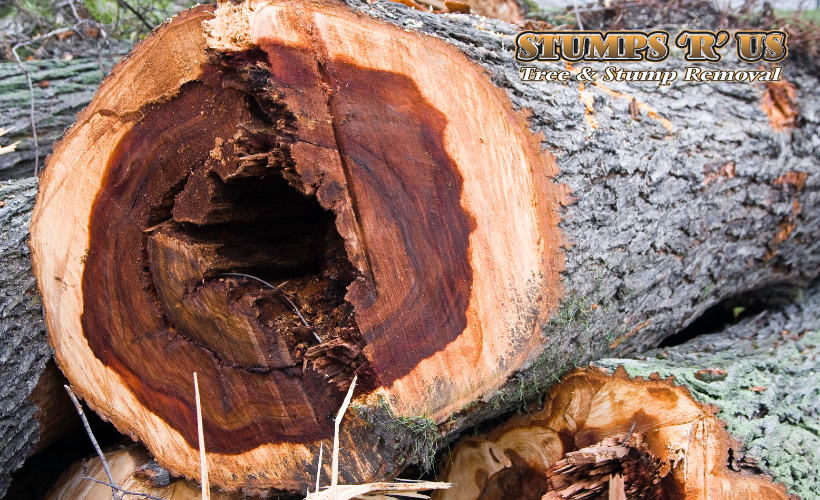
Oak Wilt and Dutch Elm Disease cause the most destruction among fungal infections in Ontario hardwoods. Both spread through beetles carrying fungal spores from sick trees to healthy ones. Oak Wilt produces fungal mats under the bark that attract more beetles and speed up tree disease spread. These fungi block water movement inside the tree, causing death within one to two seasons.
Signs of Fungal Infection
Wilting leaves that turn yellow in summer signal the first stage of infection. Single branches show damage while the rest of the tree looks healthy. Fungal mats growing under oak bark create a sweet smell that draws disease-carrying beetles. Peeling back bark on affected branches shows brown streaks where fungus blocks water flow.
Stopping Fungal Diseases
Do not prune oak or elm trees between April and August when beetles spread spores most actively. Remove dead wood quickly to eliminate beetle breeding spots. Tree disease treatment with fungicide injections protects valuable trees before infection starts. Beneficial fungi in healthy soil help trees fight off pathogens, so soil enhancement plays an important role in prevention.
Black Knot, Fire Blight, and Fruit Tree Problems
Black Knot attacks cherry, plum, and other stone fruit trees across Ontario. This fungal disease forms rough black growths on branches that get bigger each year. Fire Blight strikes apple, pear, and crabapple trees as a bacterial infection that makes branches look burned. Apple Scab and Peach Scab Disease cause spots on leaves and damage fruit.
Black Knot spores travel on wind during wet spring weather. Infected branches develop small green swellings that harden into black knots over time. Fire Blight bacteria enter through flowers and wounds, spreading fast in warm, humid weather. Both diseases need aggressive disease control to protect home orchards and ornamental trees.
Treating Fruit Tree Diseases
Cut out Black Knot infections during dry winter months, removing at least 6 inches below visible growths. Clean your tools between each cut to avoid spreading the disease. Fire Blight requires cutting infected branches 12 inches below damaged areas. Foliar treatments with copper fungicides help prevent Apple Scab on vulnerable varieties. When replacing diseased trees, choose disease-resistant native plants suited to Ontario’s climate.
Scale Insects and Beech Bark Disease
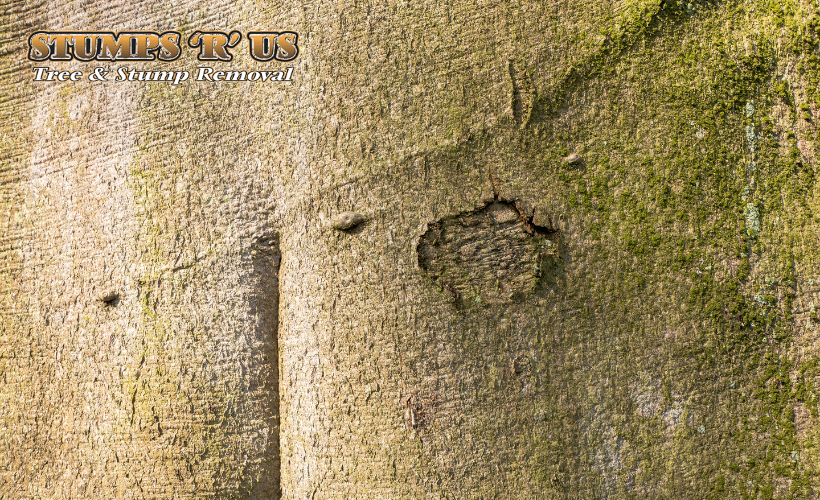
Beech Bark Disease happens when scale insects and fungi attack trees together. Scale insects puncture bark and create wounds where Nectria fungi enter and kill tissue. This disease combination has spread through Ontario beech trees in both natural forests and home landscapes. White Pine Blister Rust follows a similar pattern of insects and fungi working together to cause severe harm.
Scale insects look like small bumps on bark and branches. Heavy infestations drain tree energy and create openings for secondary infections. Phytophthora Root Rot attacks weakened root systems, especially in wet or poorly drained soil. Stress from scale insects, root rot, and fungal infections together can kill mature trees over several seasons.
Powdery Mildew and Leaf Diseases
Powdery Mildew covers maple trees and ornamental plants with white, powdery film. This fungal disease grows best in humid areas with poor air movement. While it rarely kills trees, Powdery Mildew weakens tree health and makes leaves look ugly. Maple Tar Spot creates black patches that cause early leaf drop each fall.
Disease control for leaf problems starts with better growing conditions. Prune branches to let more air flow through the canopy. Water at ground level to keep leaves dry. Rake up fallen leaves to remove overwintering fungal spores. Native plants adapted to local weather often resist leaf diseases better than imported varieties.
Caterpillar Damage and Defoliation
The Spongy Moth and Forest Tent Caterpillar strip leaves from hardwood trees during outbreak years. These garden pests eat oak, maple, and birch leaves in spring and early summer. Heavy Forest Tent Caterpillar feeding leaves trees completely bare, forcing them to use stored energy to grow new leaves. Native insect species like tent caterpillars go through natural population cycles, while invasive species cause ongoing damage year after year.
Remove egg masses by hand to reduce spring caterpillar numbers. Wrap burlap bands around trunks to trap caterpillars looking for shade during the day. Professional tree service becomes necessary during severe outbreaks. Phytophthora Root Rot often attacks trees already stressed from repeated leaf loss, making disease control critical after caterpillar damage.
Simple Prevention Steps for Homeowners
Steady care builds tree health and lowers infection risk. Follow these proven practices:
- Water deeply during dry spells: Proper watering maintains tree health and helps trees resist disease.
- Improve your soil: Add organic mulch and compost through soil enhancement to support beneficial fungi and strong roots.
- Prune at the right time: Remove dead branches during dormant seasons. Avoid selective harvesting that wounds trees during high-risk months.
- Plant smart: Select disease-resistant native plants that thrive in Ontario weather.
- Watch for problems: Check your trees monthly for unusual spots, wilting, or garden pests.
Get Professional Help for Your Trees
Common tree diseases threaten yards throughout St. Thomas, London, and Middlesex County every season. Fire Blight, Black Knot, and invasive species demand fast disease control to stop spreading. Stumps ‘R’ Us delivers professional tree service including accurate disease diagnosis, tree disease treatment options, and safe removal of infected trees.

Call Stumps ‘R’ Us today at 519-854-8991 for a free estimate. Our skilled arborists will help protect your property from common tree diseases in Ontario.